Learn how fire revitalizes field edges, buffers, native prairies and wetlands
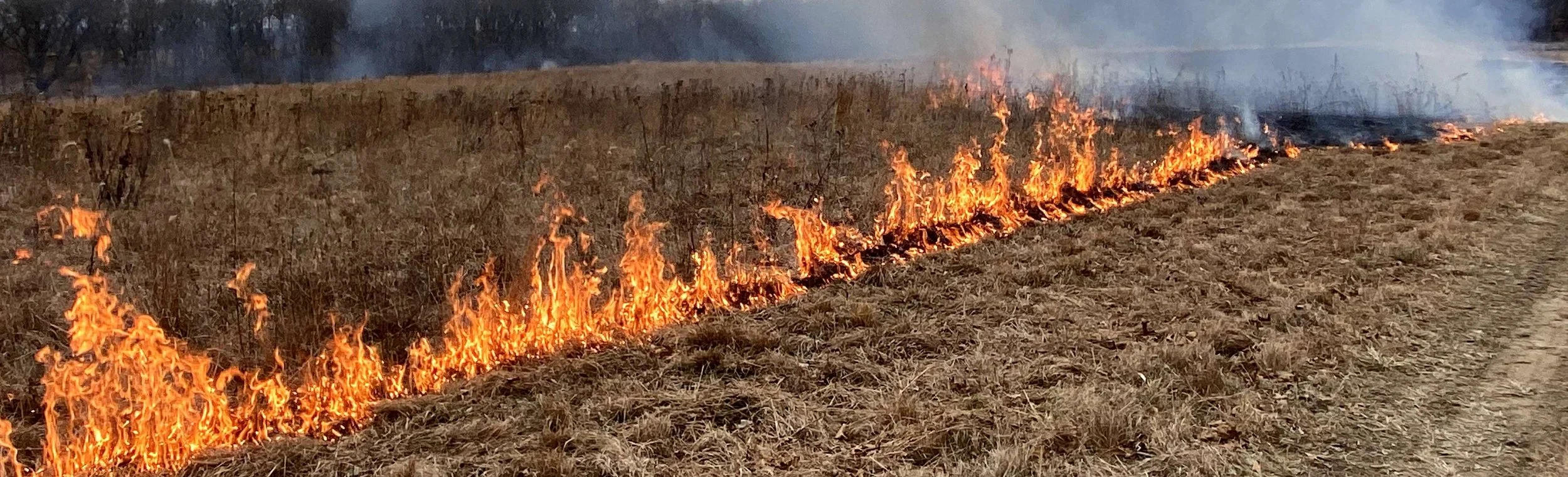
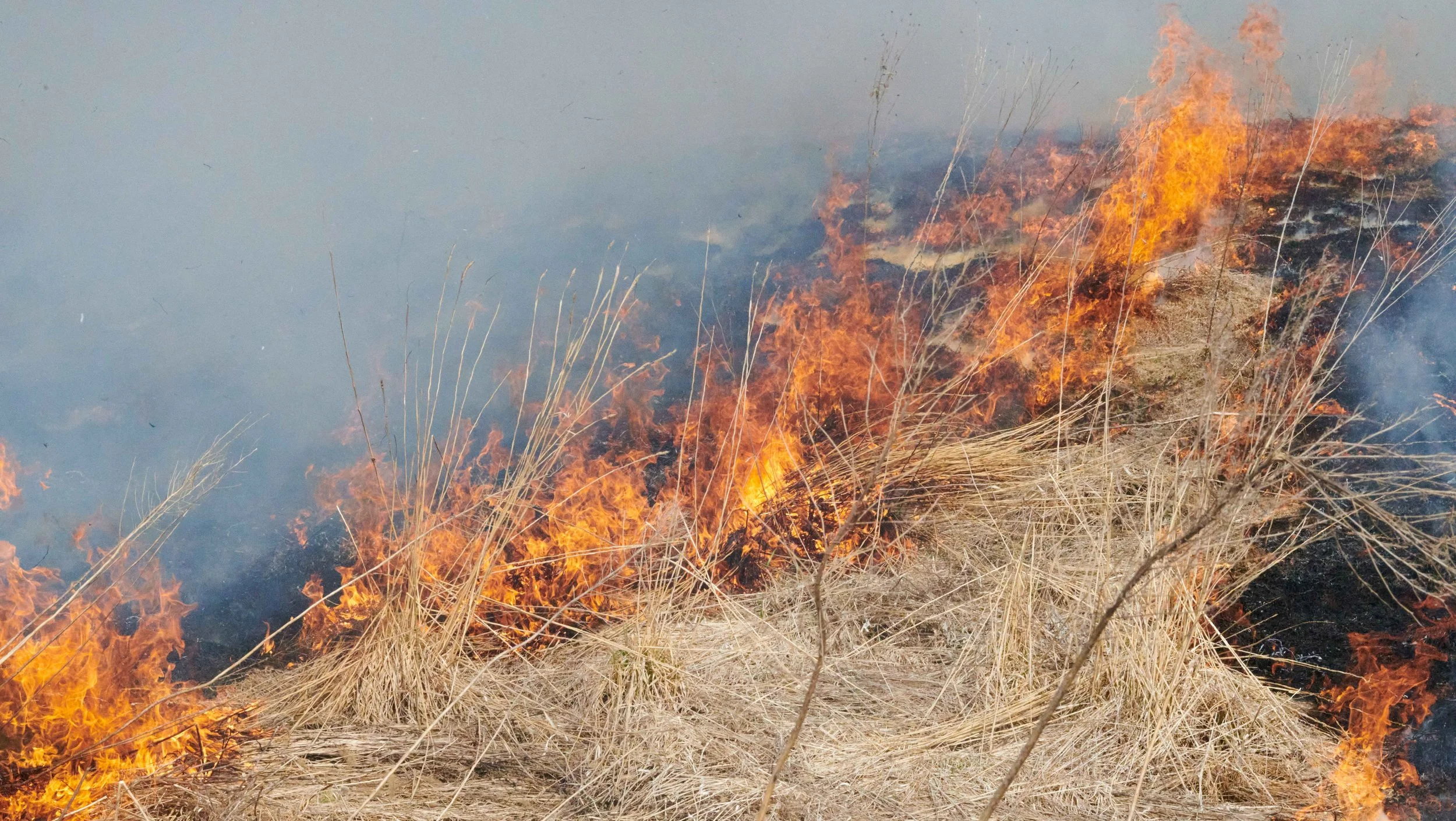
Fire moving across an open field is a heart-stopping sight for most. However, properly managed field fires, called prescribed fires or burns, are beneficial to native habitats. The Wetlands Initiative’s Smart Wetlands program and Illinois Pheasants Forever, Inc. & Quail Forever are inviting farmers, landowners, and natural resource professionals to learn more about how fire can improve natural resource areas containing grassland, pollinator, and wetland habitats. This opportunity is offered in two parts.
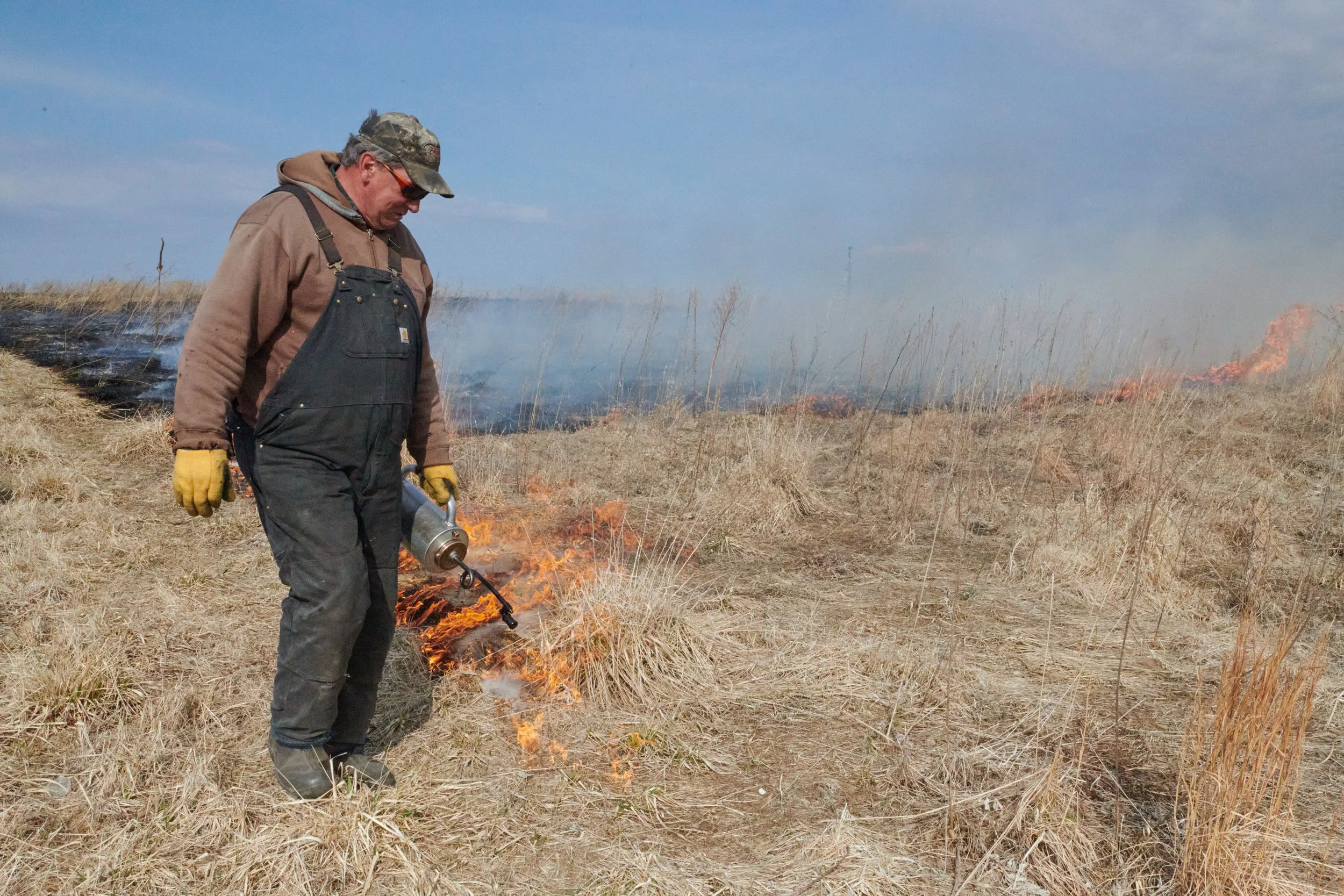
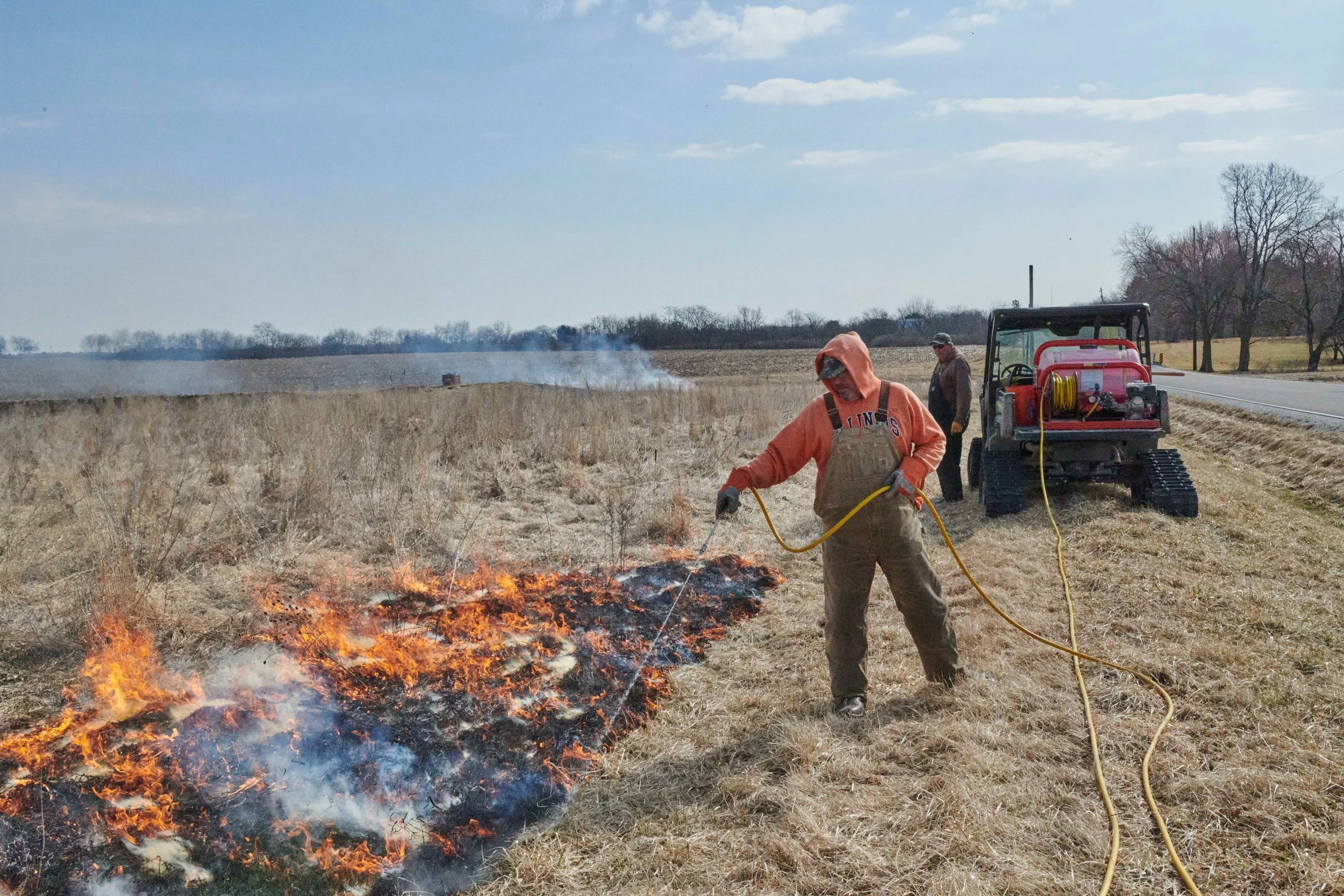
The first is a one-hour webinar that provides an overview of why and how prescribed fire is used in the Midwest to manage native, grassland, and wetland habitats. The program will be presented by Illinois Pheasants Forever/Quail Forever staff members Caleb Worley and Zach Stephenson at 10:00 AM CST on Thursday, January 29, 2026. Those unable to join the live program will find a recording of the event posted to the Smart Wetlands YouTube channel for viewing. Registration is required for the webinar.
The actual prescribed burn will take place at a Smart Wetlands near Saunemin, IL. At this location, participants will gather in a farm field near the fire site. The Wetlands Initiative restoration staff will kick off the event by explaining how they prepared for the fire. The fire crew will head off to start the fire, and IL Pheasants Forever staff members Caleb and Zach will then take over. They will provide a “play-by-play” description of what is happening as the burn progresses, answer questions, and ensure that attendees are always at a safe distance from the fire. Participants in the field portion must watch the webinar.
Illinois solution to excess farm nutrients in cropland water bodies
When it comes to keeping pollutants out of Illinois rivers and creeks, farmers and their advisors rarely align with water scientists and water quality improvement advocates on solutions to reduce excess nutrients flowing from cropland. However, it turns out that Smart Wetlands are one solution they can all support.
Smart Wetlands go Graphic
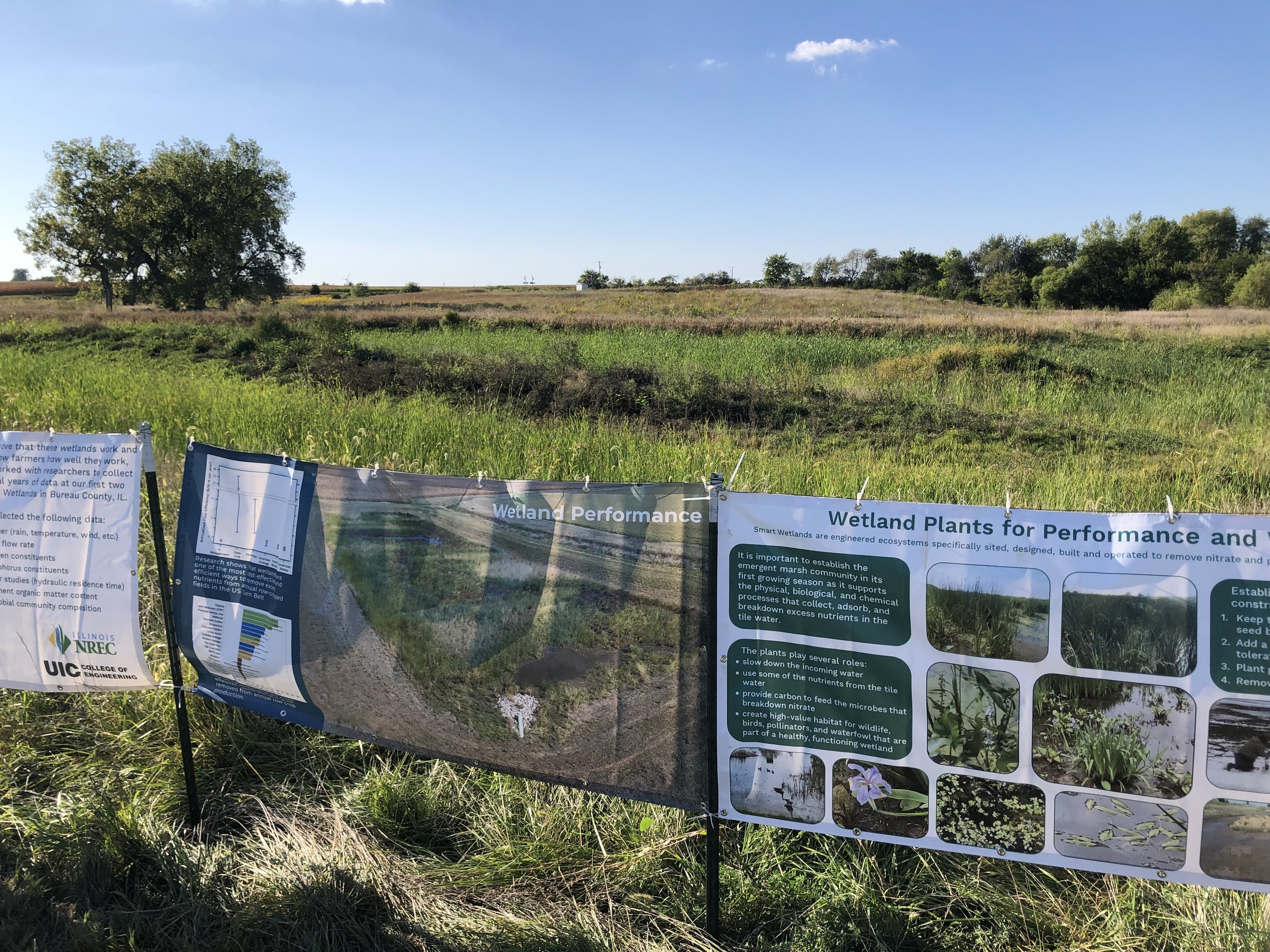
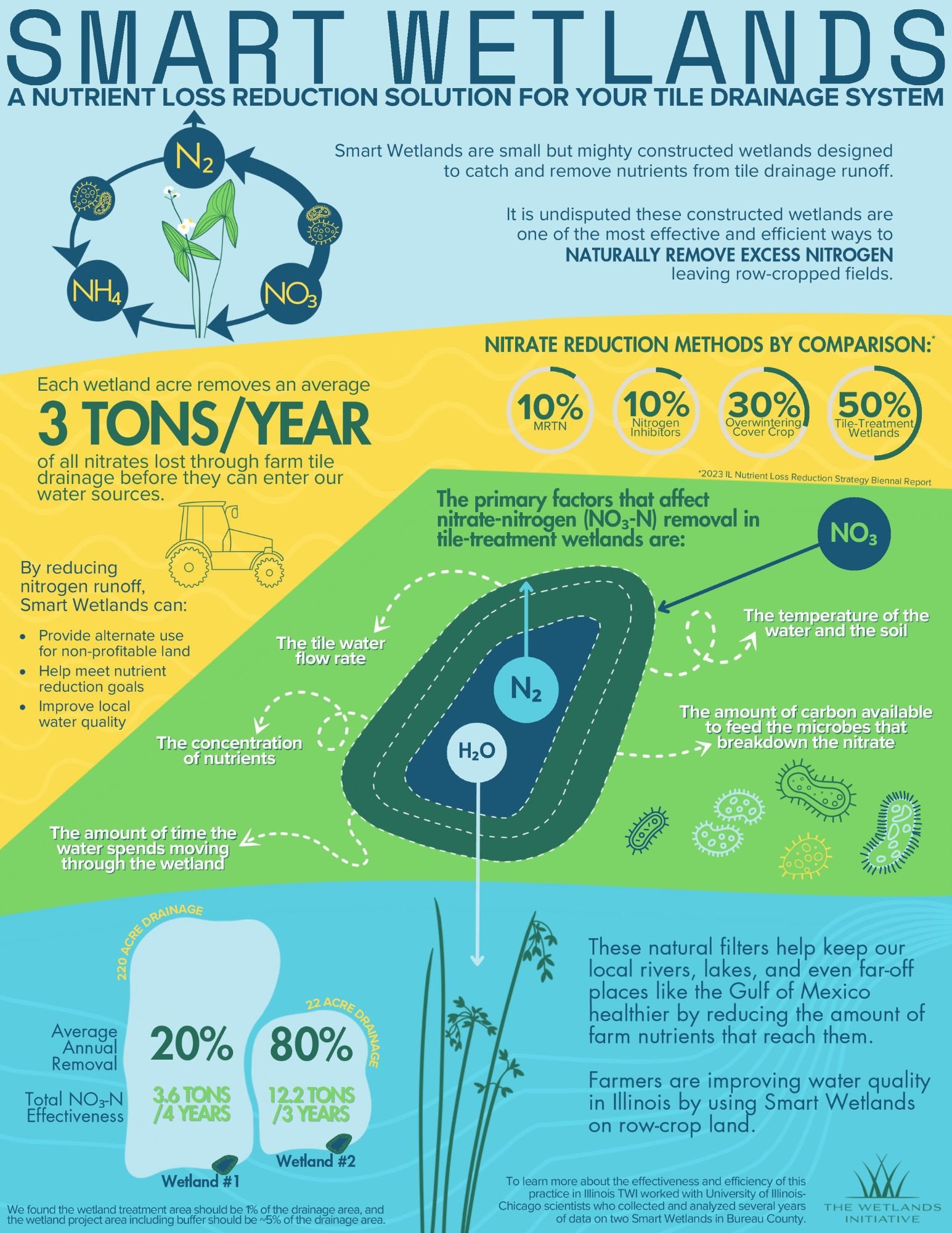
While Smart Wetlands are designed for one primary purpose: to naturally remove nitrate from farm tile drainage water, the data story they tell can be complex. That is why we created the infographic below to help tell the story of how they work and the quantity of nitrate they can remove.
Plant Power: Ecologists map vegetative makeup of Smart Wetlands to Guide Ecosystem Management
In an exciting development for TWI’s Smart Wetlands program, staff ecologists have taken a step toward better understanding the evolving vegetative makeup of our farm-based Smart Wetlands sites, designed to improve water quality. Beginning in 2023, plant surveys were conducted at the sites for the first time. The surveys add to an existing body of water, soil, and nutrient data already collected for the purpose of better understanding, monitoring, and improving the Smart Wetlands going forward. (Continue reading)

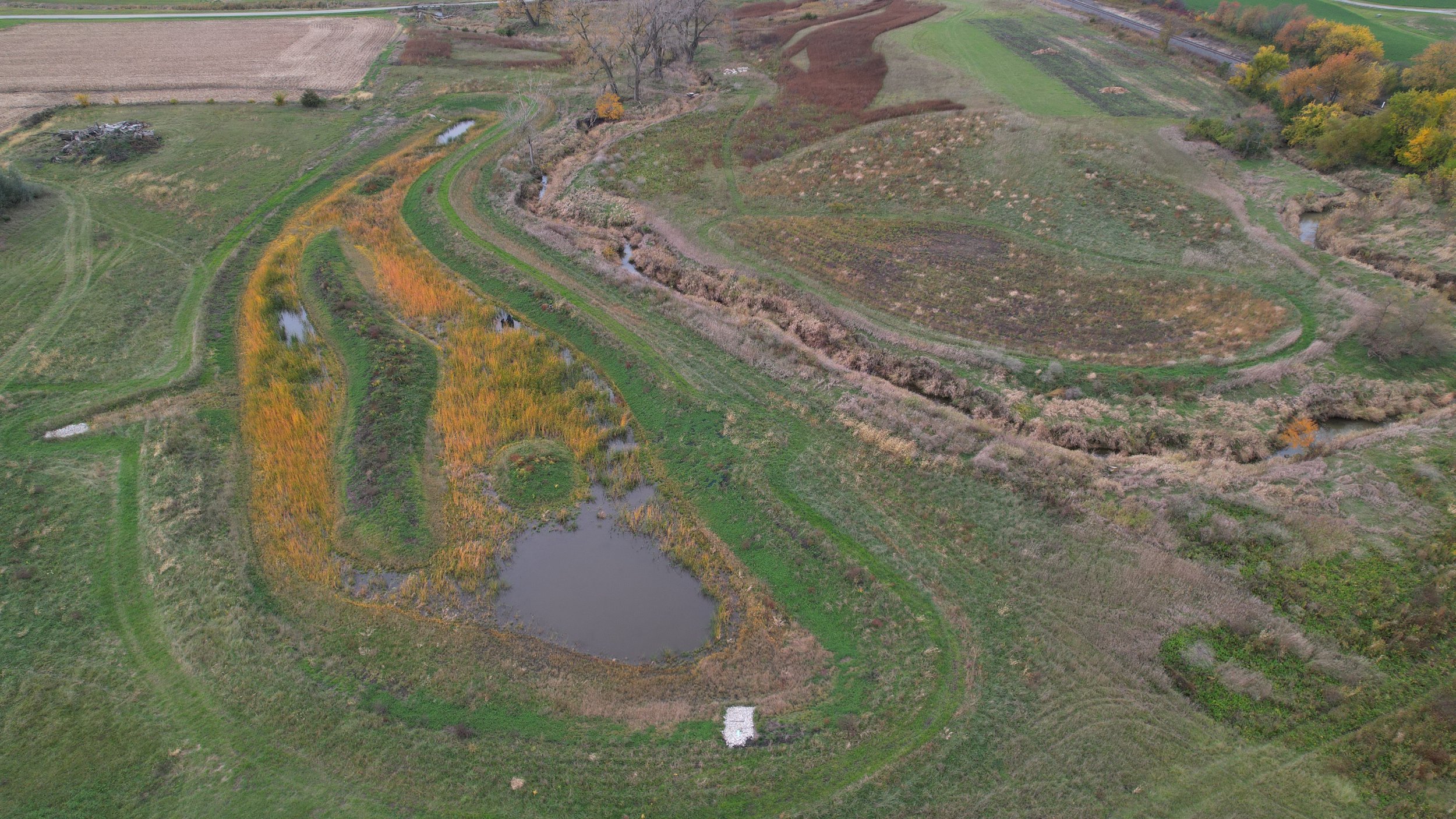
Native swamp milkweed (foreground) and hybrid cattail were identified in the recent surveys.
Smart Wetlands Are a Reason to Be CHeerful
The Wetlands Initiative is pleased that our Smart Wetlands are considered A Reason to be Cheerful. The story along with photos and video from wetlands in Livingston and Marshall County, IL can be found at https://reasonstobecheerful.world/farmland-constructed-wetlands-healthier-watersheds/
Reasons to be Cheerful is part of musician David Byrne’s effort to re-imagine “the world through projects that inspire and educate.”

A festive Fall Field Day at Feather Prairie Farms
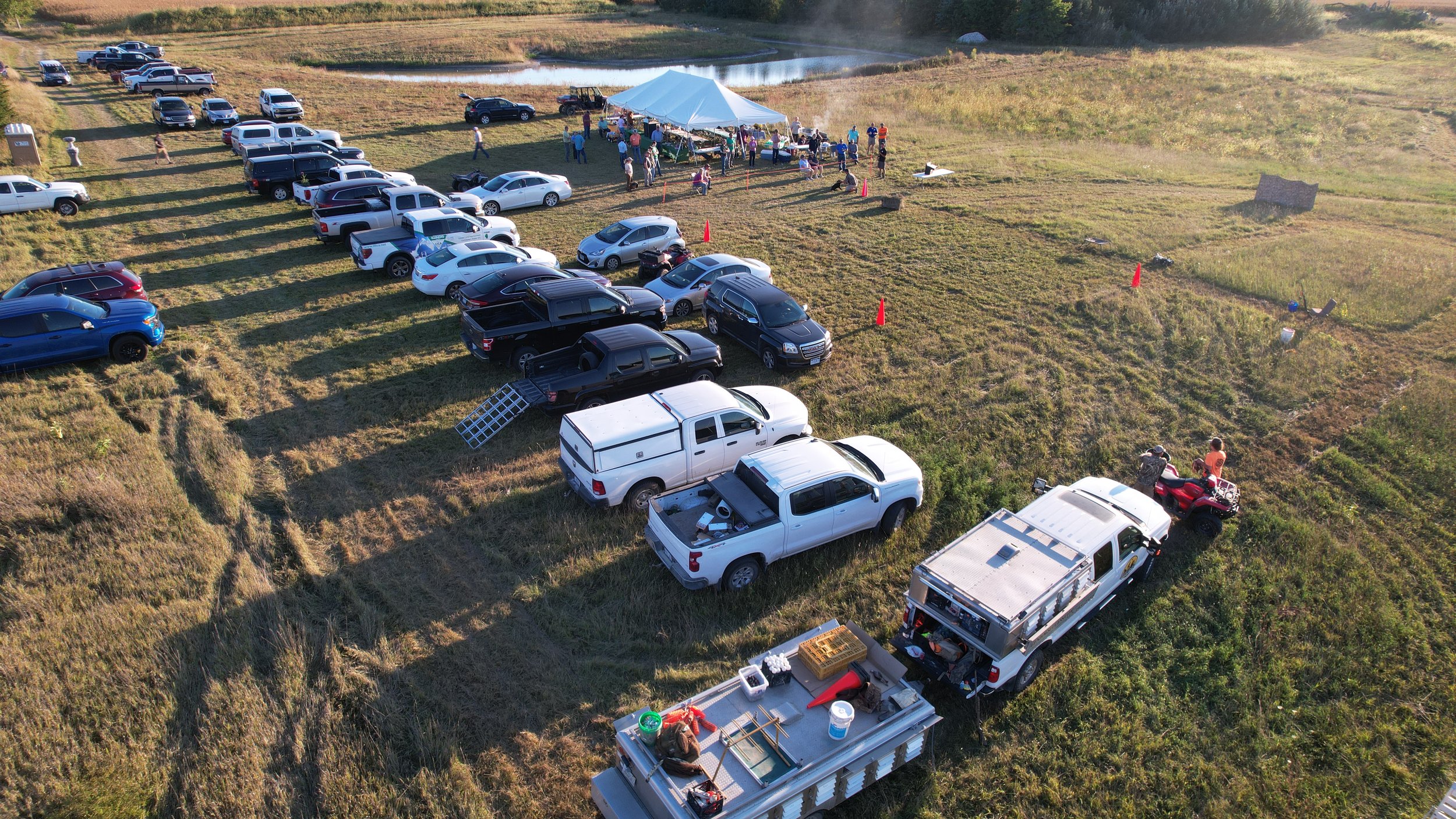
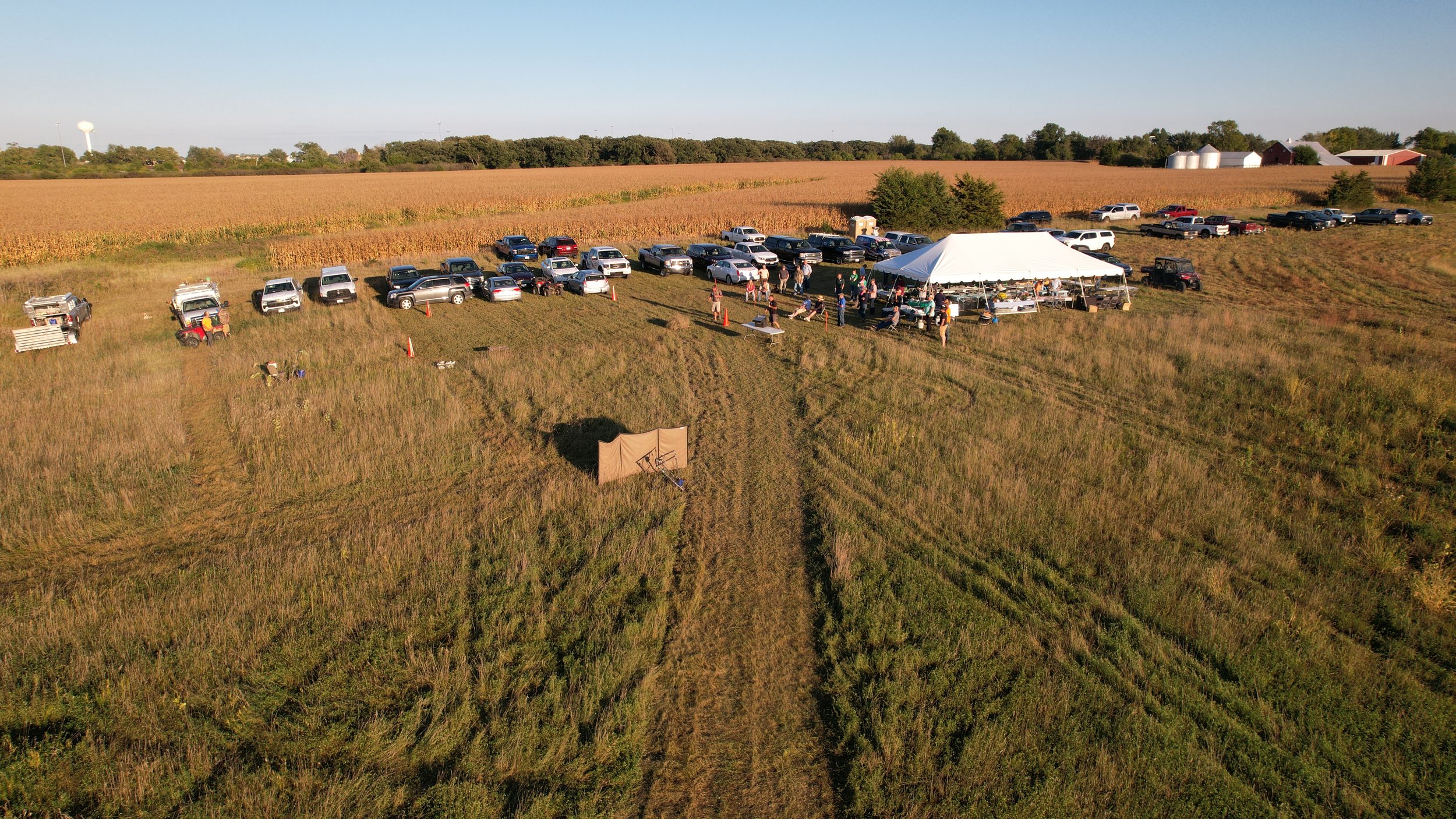
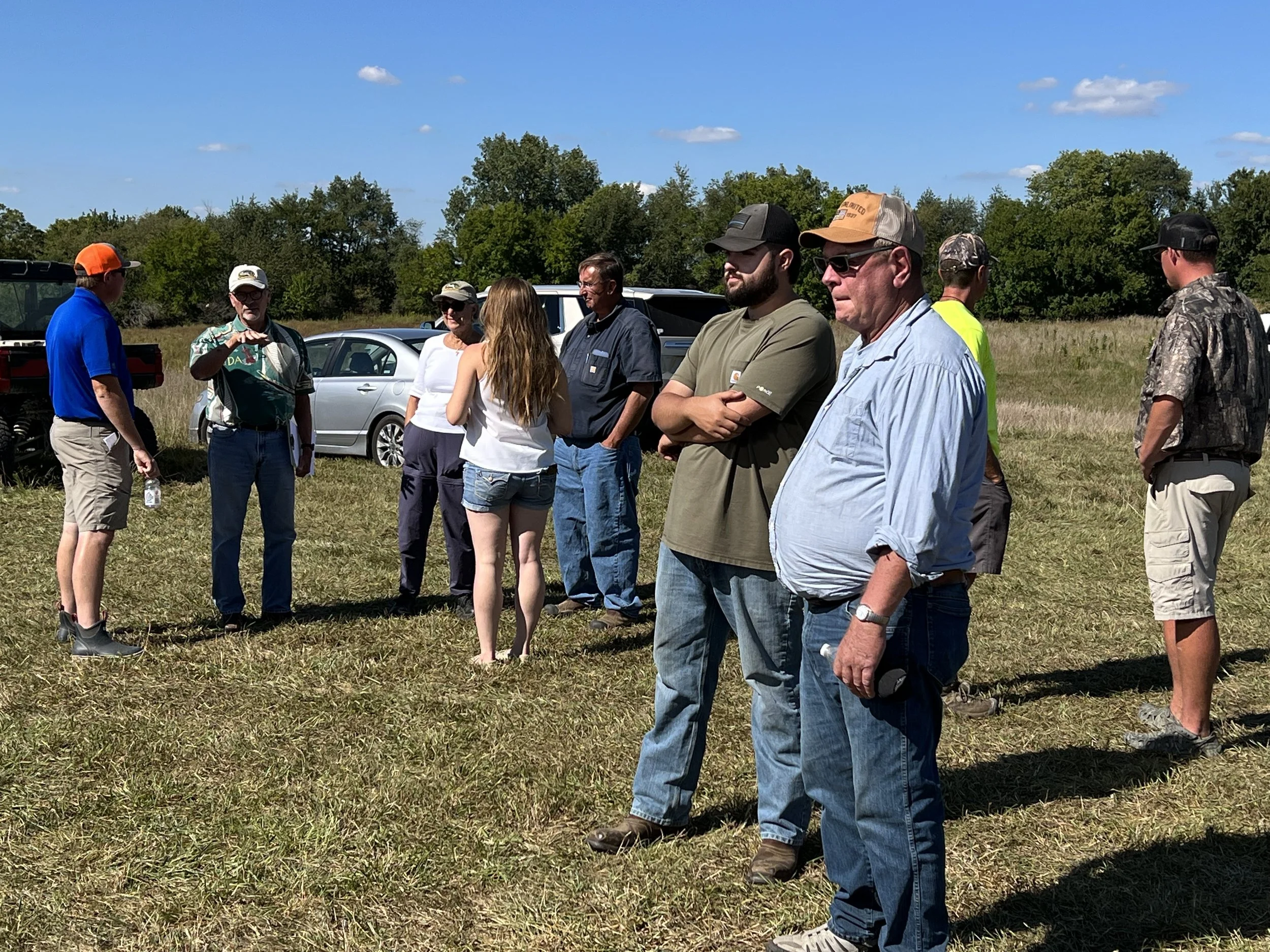
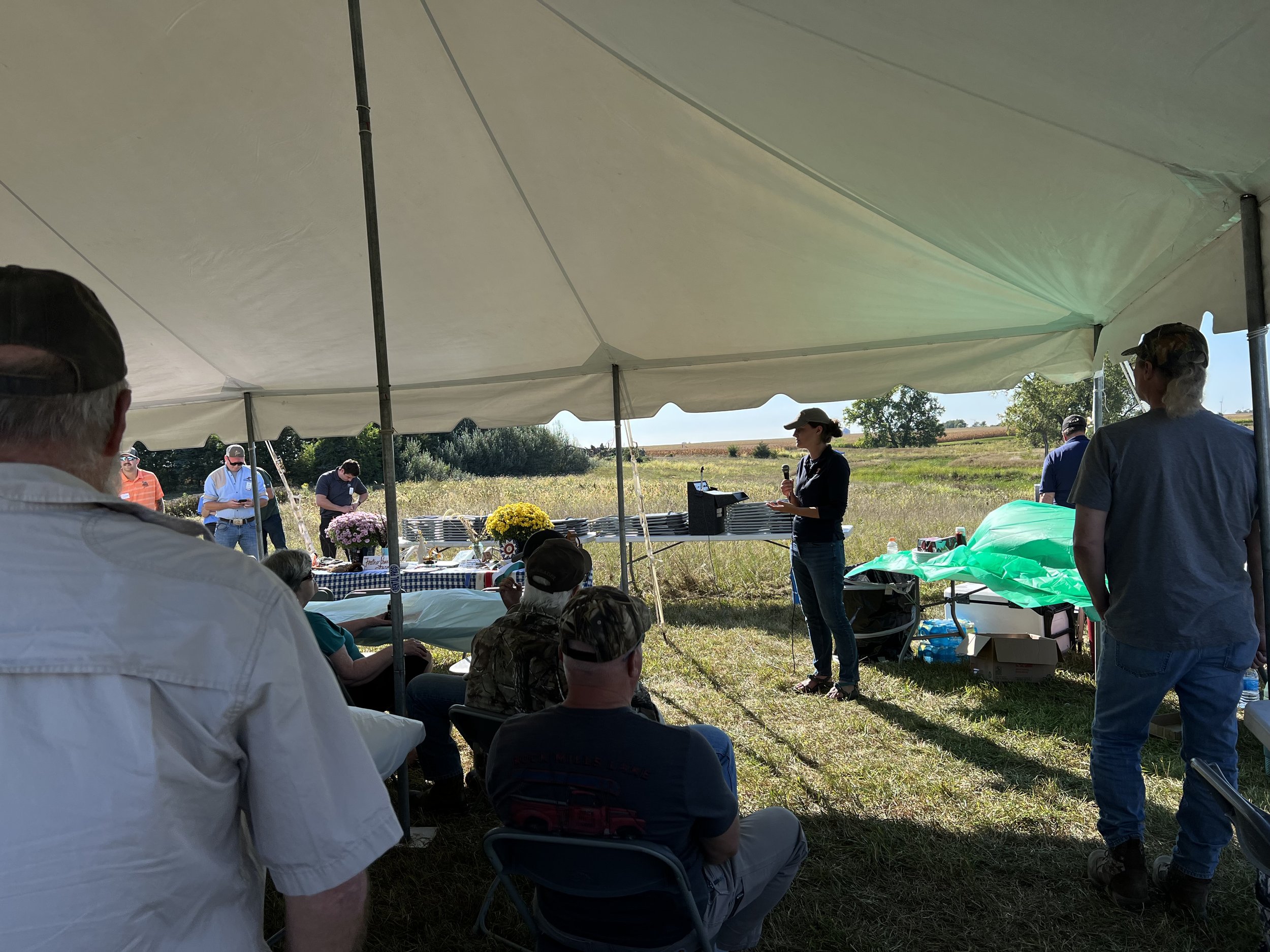
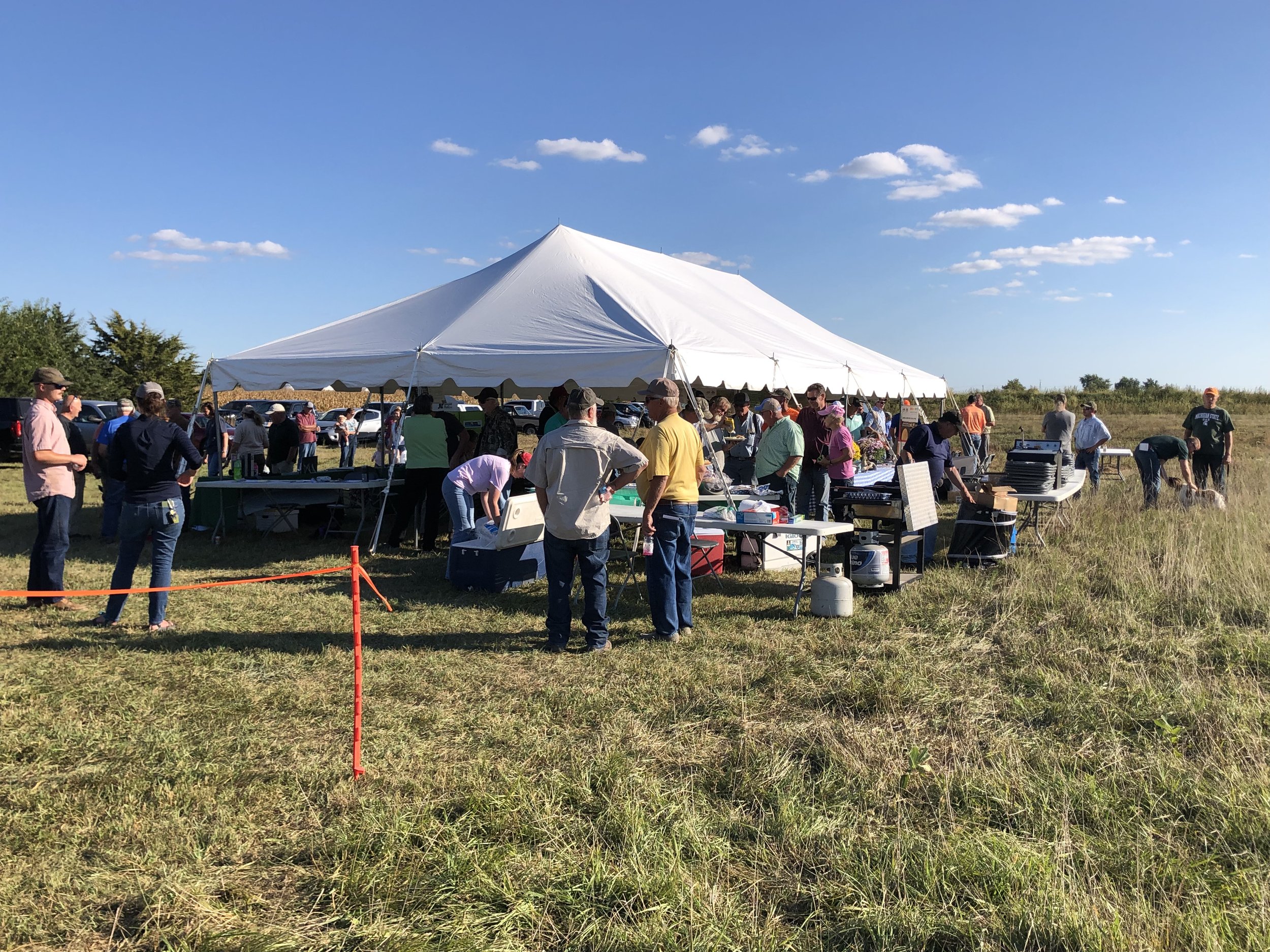
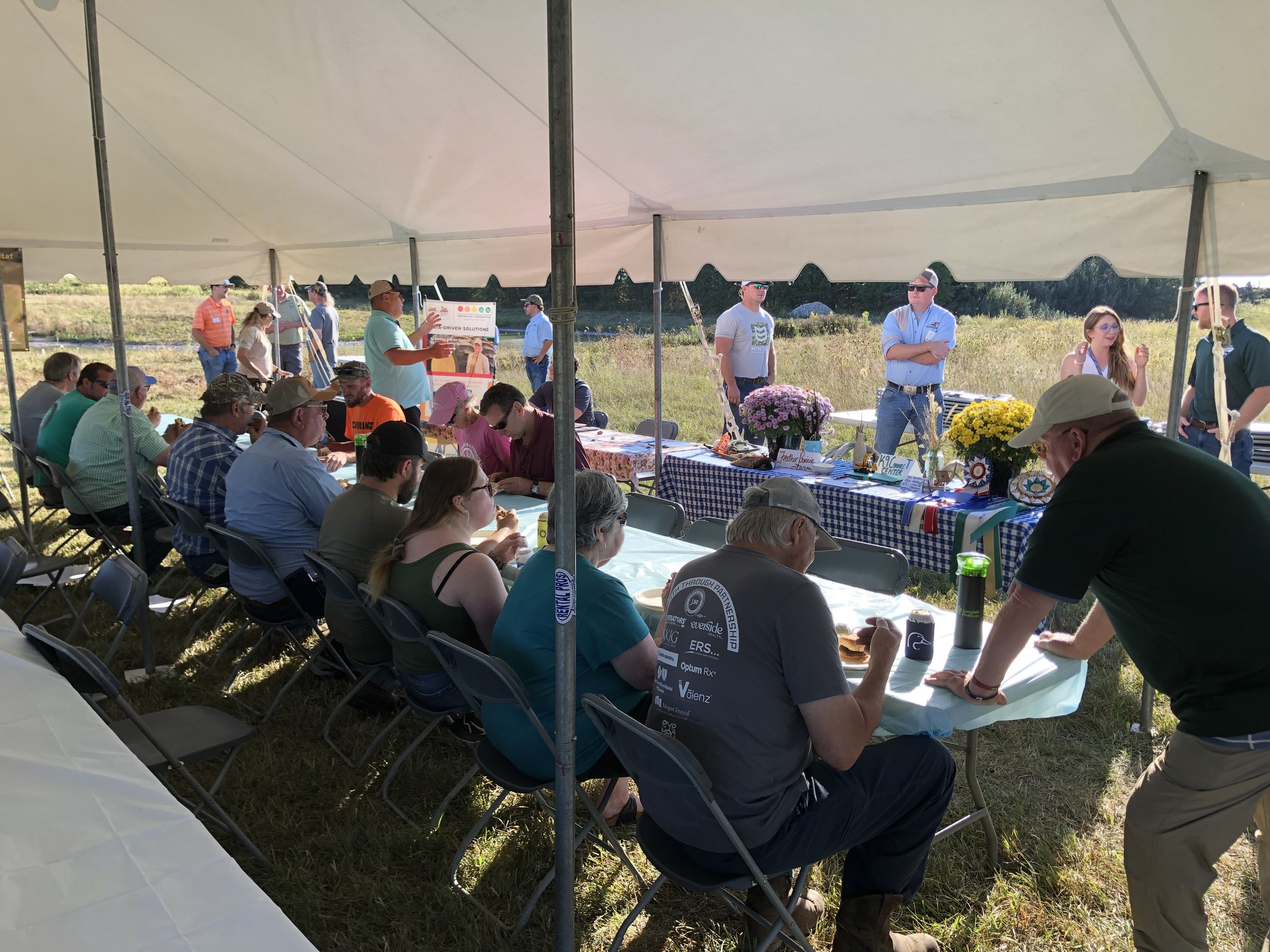
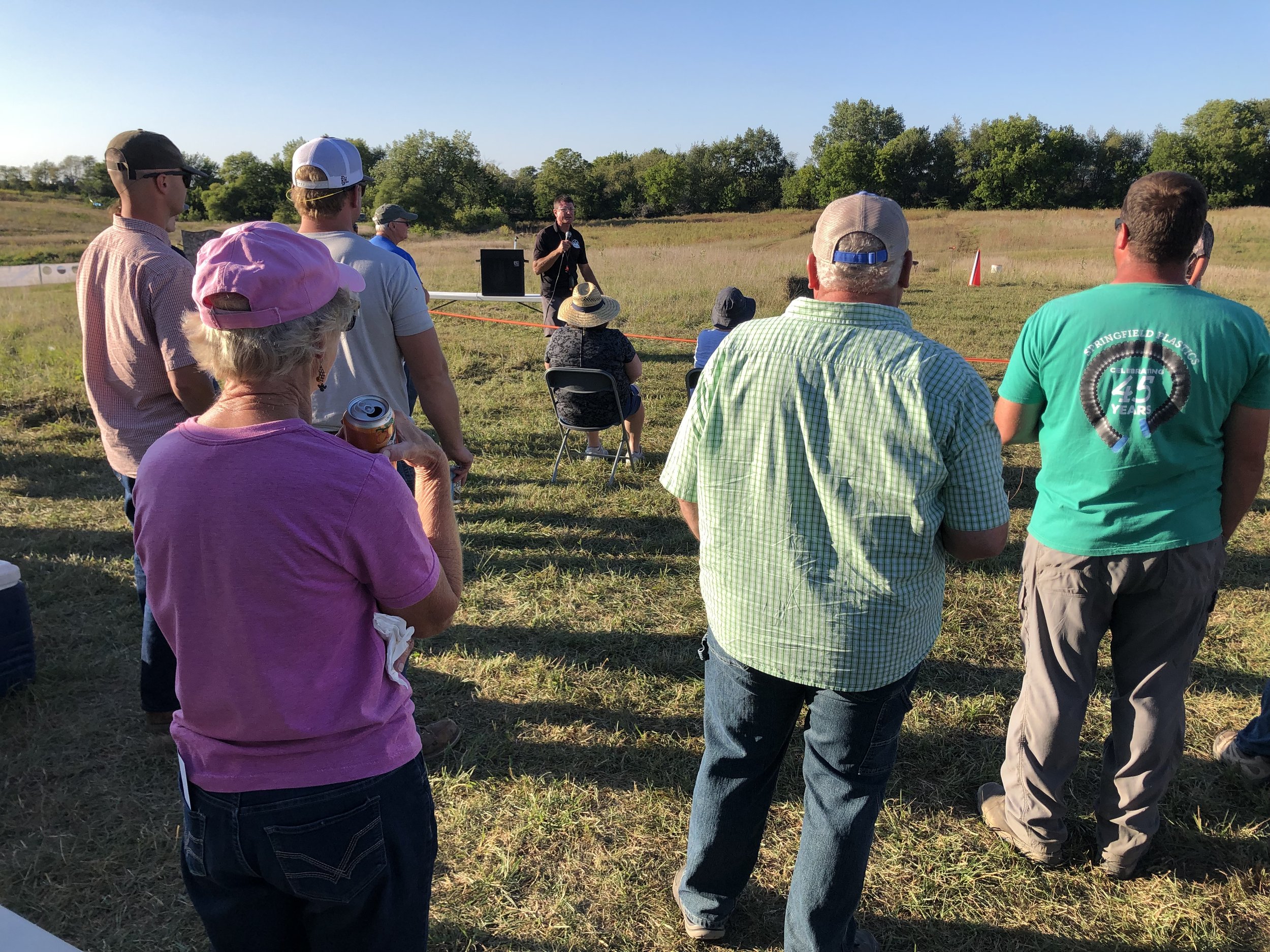
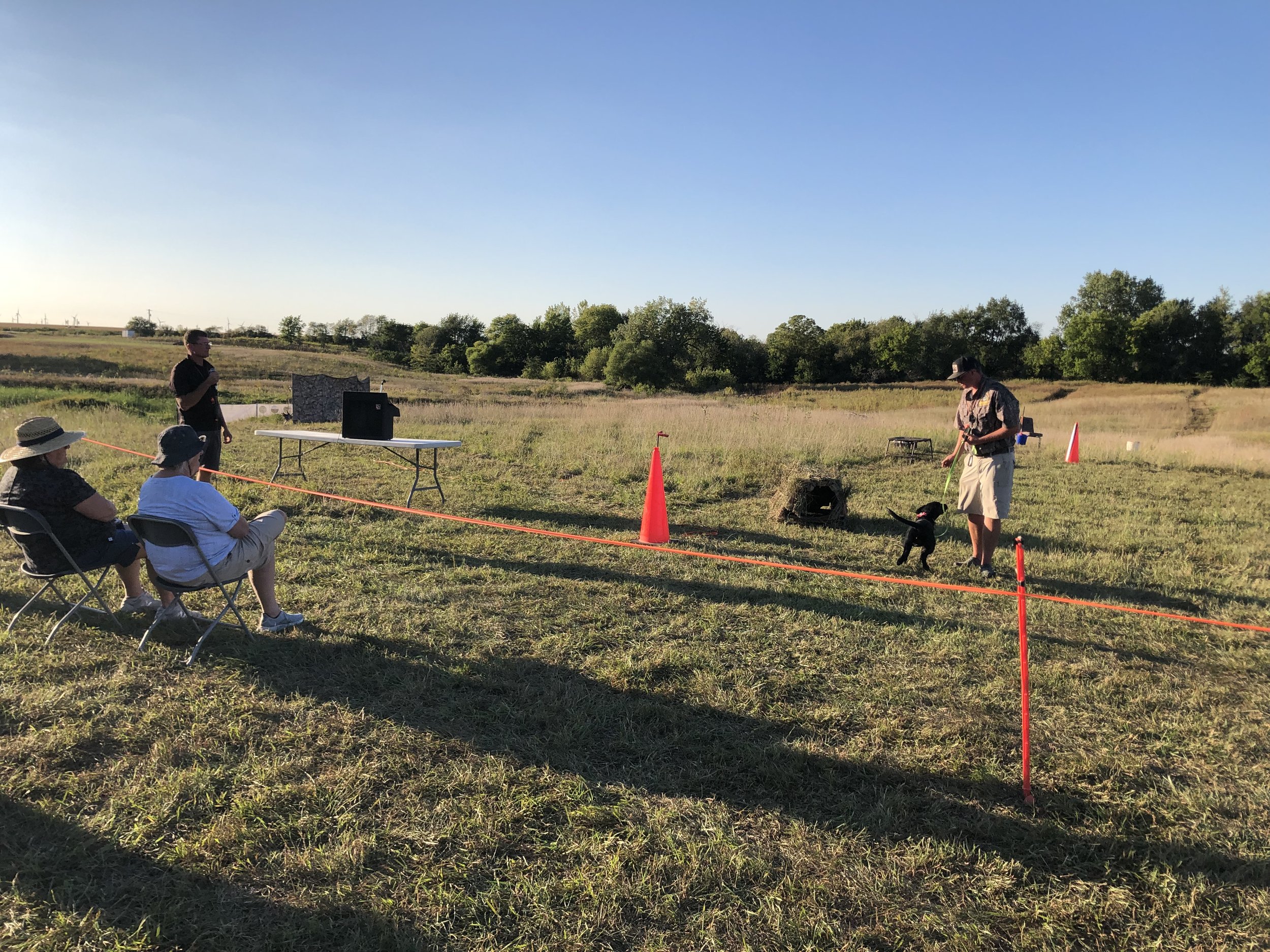
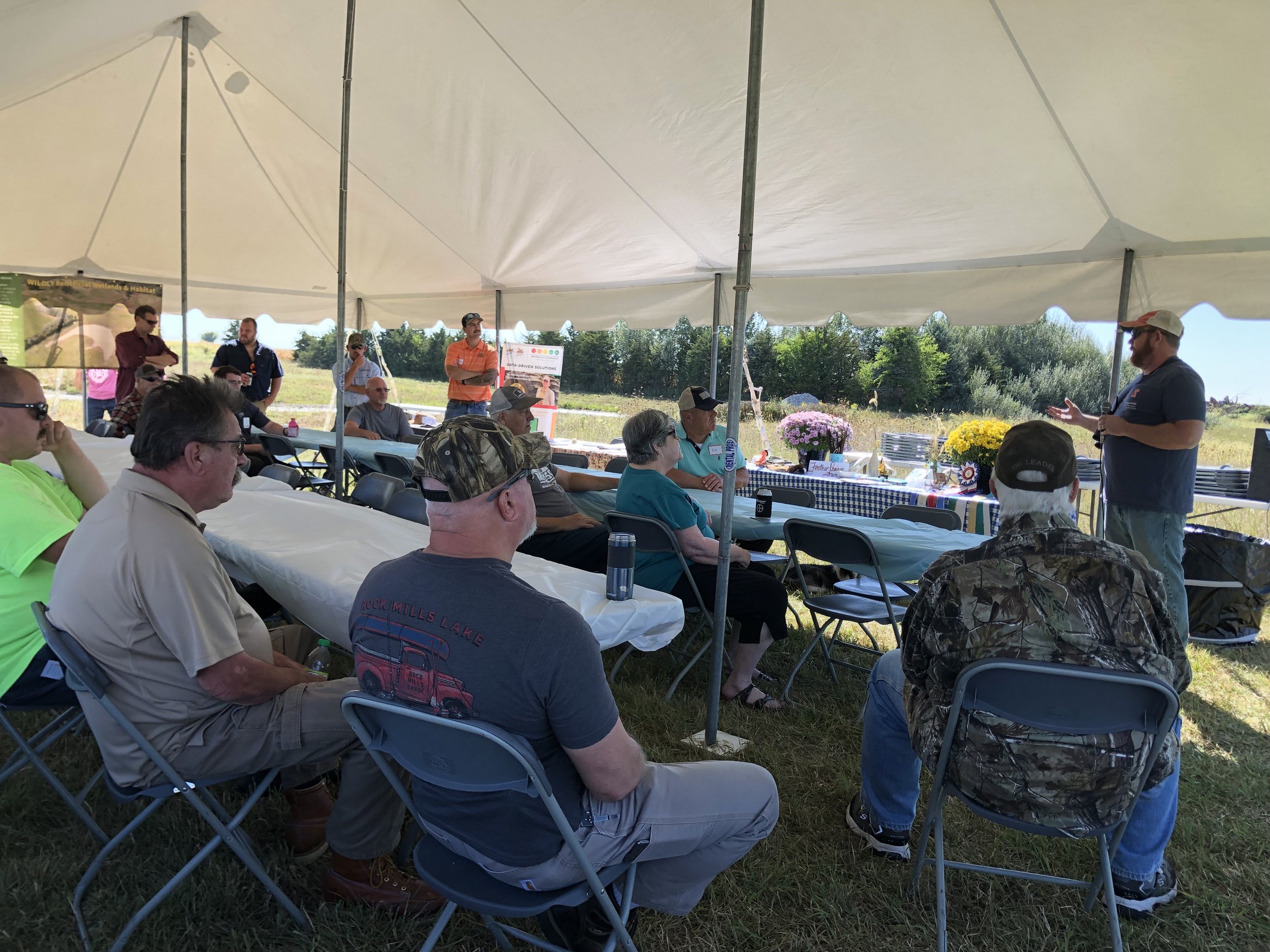
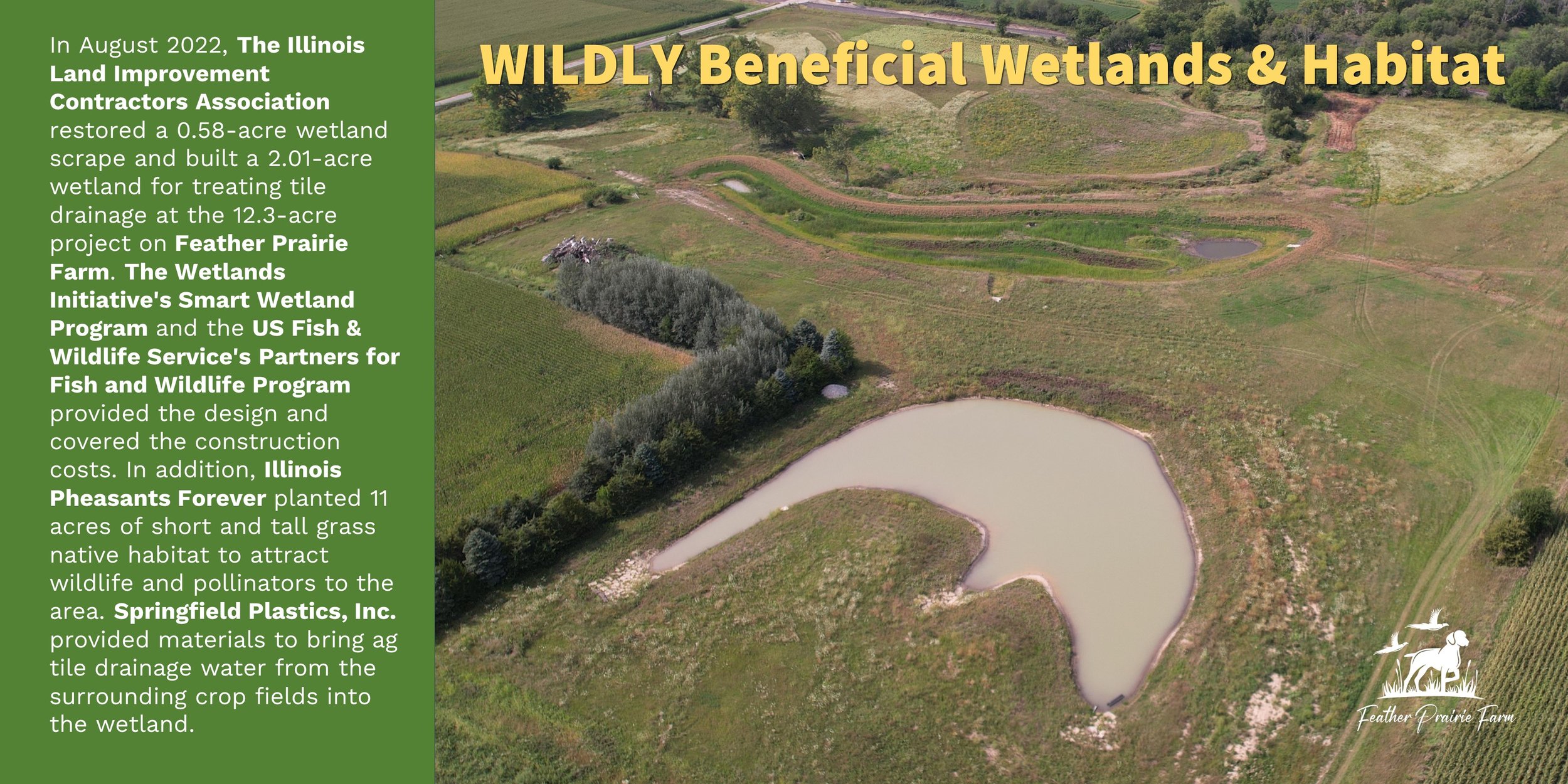
Hunters, hunting dog trainers, and landowners enjoyed a field event at Feather Prairie Farms near Dwight, IL, in mid September. In addition to touring ag tile treatment and restored wetlands, visitors heard Univerisity of Illinois researchers Dr. Mike Ward and Dr. Auriel Fournier discuss upland birds, waterfowl, and wetland management. Following dinner, Dan Irhke of Gun Dog Success discussed how to evaluate a puppy to determine if it has the right attributes to become a great hunting dog and then demonstrated how he and his staff train dogs to be hunting companions.